

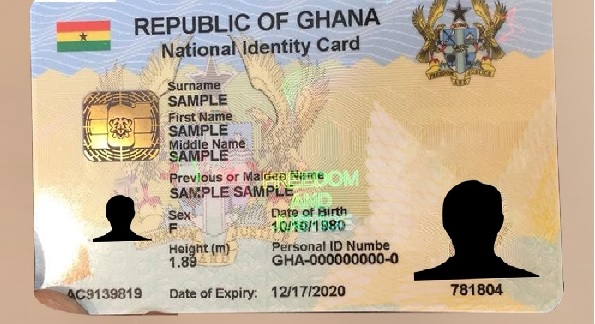
In a major regulatory shift set to reshape Ghana’s insurance landscape, the National Insurance Commission (NIC) has declared that the Ghana Card will become compulsory for all motor insurance transactions, including both new purchases and policy renewals, beginning January 1, 2026.
The announcement, issued through an official directive, states that no individual will be allowed to obtain or renew any motor or related insurance cover without first presenting a valid national identification card. Insurance companies will be required to verify the Ghana Card before processing any policy or completing any transaction.
The new rule extends beyond private individuals to include corporate bodies. Under the directive, businesses and organisations seeking motor insurance services must provide their Tax Identification Number (TIN) as part of the documentation required to complete insurance transactions.
According to the Commission, the policy is a strategic step aimed at tightening regulatory oversight within the insurance industry. The NIC explained that the measure is designed to significantly enhance Know Your Customer (KYC)procedures and strengthen Anti-Money Laundering (AML) safeguards, while also improving the efficiency, transparency, and credibility of insurance claims processing.
The Commission expressed confidence that enforcing mandatory national identification will help eliminate fraudulent practices that have long plagued the insurance sector. It further noted that the directive will promote accountability, ensure traceability of transactions, and boost public confidence in insurance services across the country.
Industry analysts say the move represents an effort to align Ghana’s insurance market with global best practices and internationally accepted financial compliance standards. The NIC maintains that modern insurance systems must rely on robust identity verification frameworks to remain credible and resilient.
- The decision is not without precedent. Similar regulatory measures have already been rolled out across Ghana’s broader financial services sector. The Bank of Ghana, for instance, currently requires the Ghana Card for banking activities such as deposits, withdrawals, and other financial transactions, a move that has strengthened oversight and reduced financial crime.
With this latest directive, the NIC is signalling a firm commitment to regulatory discipline and sector-wide reform. As the January 2026 implementation date approaches, insurance companies, businesses, and policyholders are expected to adjust their operations and documentation processes accordingly.
The Commission has urged the public to take early steps to ensure they possess valid Ghana Cards and, where applicable, TINs, to avoid disruptions in accessing insurance services. Stakeholders believe the policy could mark a turning point in the drive to sanitise Ghana’s insurance industry and deepen trust between insurers and the insuring public.

