

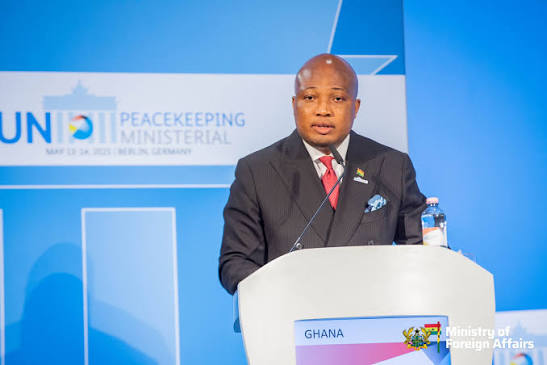
Ghana is set to introduce an Electronic Visa (e-Visa) system in the first quarter of 2026, the Minister of Foreign Affairs, Samuel Okudzeto Ablakwa, announced on Saturday at the closing session of the country’s inaugural Diaspora Summit in Accra.
Speaking under the directive of President John Dramani Mahama, Mr. Ablakwa revealed that the new e-Visa policy will feature special concessions for members of the African diaspora, allowing them to apply at a reduced cost and enjoy smoother travel to their homeland.
“We are committed to making it easier and more affordable for Africans in the diaspora to return home,” he said. “You will not have to pay the same fees as others, enabling seamless travel to the motherland.”
The Minister further explained that visa fees will follow a reciprocal structure, aligning with the costs that Ghanaians pay when visiting other countries. “In the spirit of fairness and reciprocity, we are ensuring that visa arrangements support both travel and the development of our nation,” he added.
In a related announcement, Mr. Ablakwa confirmed that the government is accelerating efforts to relaunch Ghana Airways, the nation’s former flag carrier. A technical committee, established by the President, is nearing the completion of its work to bring the airline back into operation.
“Imagine if all the flights into Ghana were with Ghana Airways. That revenue would have been an investment in our own economy instead of going abroad,” he said. He suggested that the airline could even offer discounted fares to diaspora visitors as part of the visa facilitation.
The revival of Ghana Airways, according to the Minister, would symbolize national pride and the restoration of Ghana’s global image, echoing Dr. Kwame Nkrumah’s vision that Africans are fully capable of managing their own affairs.
Adding to the optimism, Augustus Goosie Obuadum Tanoh, Presidential Advisor on the 24-Hour Economy and Accelerated Export Development, highlighted the economic opportunities for the diaspora through the government’s 24-Hour Economy programme.
“The programme integrates strategic value chains, linking agriculture to processing through agro-industrial partnerships,” he explained. “With support in logistics, reliable energy, and export platforms, diaspora investment can help address structural weaknesses in the economy and drive growth.”

