

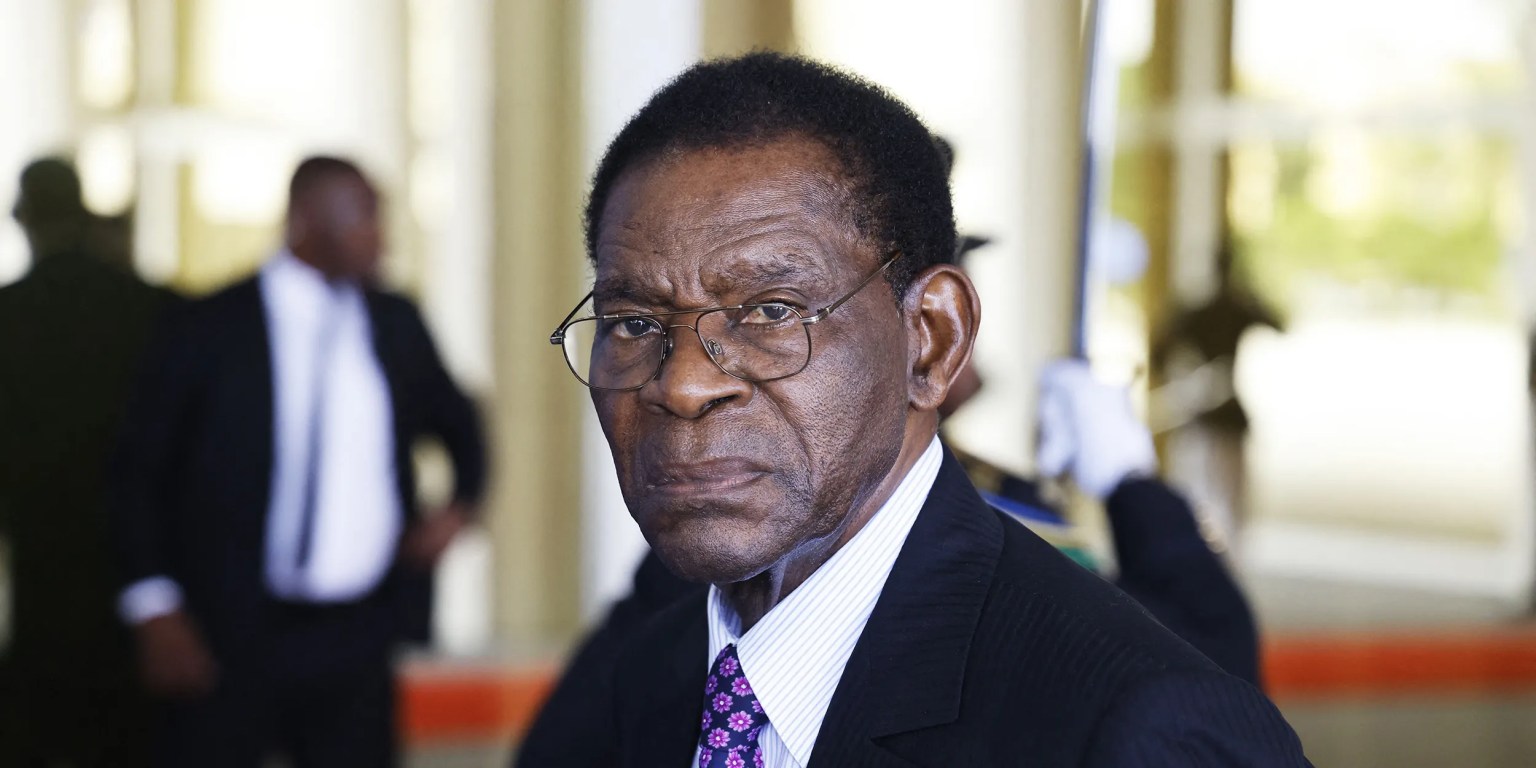
Equatorial Guinea has formally begun a historic power shift from the island to the mainland, as longtime President Teodoro Obiang Nguema Mbasogo confirmed that the national capital will be uprooted from Malabo on Bioko Island and replanted in the emerging mainland city of Ciudad de la Paz in Djibloho Province.
The announcement — sealed by presidential decree during a high-level ceremony on January 2, 2026 — marks a dramatic realignment of political authority, national identity, and state security.
Government officials described Ciudad de la Paz, translated as “City of Peace,” as a strategic hub designed to solve decades-old access, transport, and vulnerability challenges tied to Malabo’s isolated island location.
According to the state Information and Press Office, the relocation is also a defensive necessity, following what it described as repeated threats and attempted attacks launched from the sea.
From the government’s perspective, the mainland capital represents not only safety — but rupture. The move is being framed as a symbolic breakaway from lingering colonial structures that officials say no longer serve the country’s modernization agenda.
Local reports indicate that the full migration of ministries and administrative institutions will unfold over the next year, ushering in a new political era from the forests of Djibloho rather than the shores of Bioko.

