

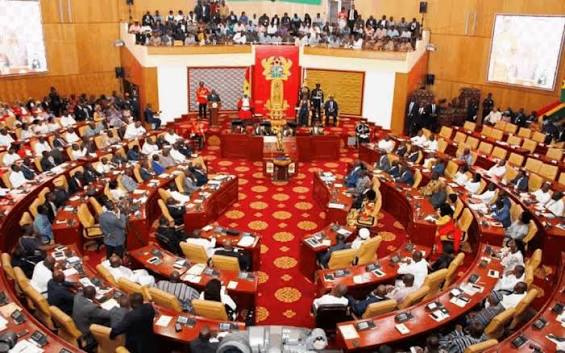
Parliament has approved the long-anticipated Ghana Sports Development Fund Bill, marking a major milestone in the country’s efforts to establish a sustainable and structured financing framework for sports development.
The historic legislation was given final passage after extensive debates and deliberations on the floor of the House on Thursday, December 18, 2025, following months of rigorous review and inter-agency consultations.
Originally introduced through the Ministry of Sports and Recreation, the Bill underwent detailed scrutiny by Cabinetand the Parliamentary Select Committee on Youth and Sports, working closely with the Ministry of Finance, the Office of the Attorney-General, the Parliamentary Legal Committee, and other relevant stakeholders.
The law provides the legal basis for the creation and operation of a multi-source, performance-oriented Sports Development Fund, designed to support athlete welfare, sports infrastructure development, grassroots participation, and talent identification and nurturing across the country.
Its passage followed multiple readings and amendments, with both the Majority and Minority caucuses contributing to its refinement—reflecting a rare moment of bipartisan consensus on the need to reposition Ghana’s sports sector for long-term success.
Once operational, the Fund is expected to mobilise billions of Ghana cedis annually through a mix of public allocations, private sector contributions, donations, and other approved revenue streams.
The governance structure of the Fund will align with the forthcoming National Sports Policy and will be managed by an independent Governing Board, supported by clear accountability and transparency mechanisms to ensure effective utilisation of resources.
The successful passage of the Bill also underscores the broader sports development vision of the Mahama administration. Under the leadership of President John Dramani Mahama, the Ministry of Sports and Recreation has been tasked with redefining the role of sport beyond podium finishes and medal counts.
This renewed approach positions sport as a strategic national development tool, requiring deliberate legal, institutional, and financial reforms to unlock its full economic, social, and youth empowerment potential.

